
Creating a persona in Character AI is where creativity meets technology. Whether you want to build a charming anime character, a wise mentor, a villain, or even a version of yourself, crafting a well-defined persona is the key to realistic and engaging conversations.
But here’s the truth most beginners miss: a good Character AI persona is not just about filling out fields—it’s about designing behavior, personality, and conversational depth.
In this complete SEO guide, you’ll learn exactly how to make a persona in Character AI, optimize it for better responses, and avoid common mistakes that ruin immersion.
What Is a Persona in Character AI?
A persona in Character AI is the identity and personality framework of your AI character. It determines:
- How the character speaks
- How it reacts emotionally
- Its background and knowledge
- Its tone, behavior, and quirks
Think of it like writing a character for a novel—but instead of readers, the AI brings it to life in real-time conversations.
Why Creating a Strong Persona Matters
Many beginners create characters that feel:
- Generic
- Repetitive
- Emotionally flat
That’s because they skip proper persona design.
A well-crafted persona helps:
- Improve conversation quality
- Make responses feel realistic
- Maintain personality consistency
- Increase user engagement
Step-by-Step Guide to Making a Persona in Character AI
Step 1: Define Your Character Concept
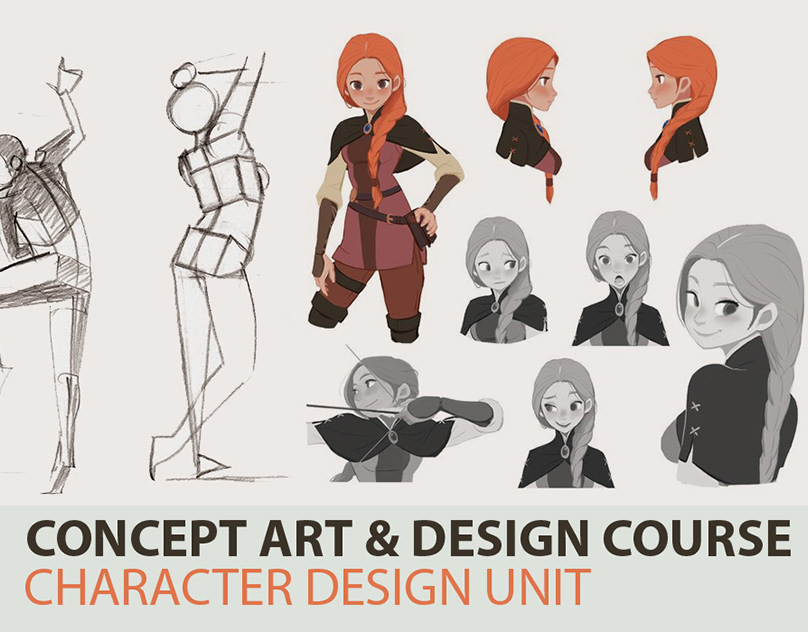


Before you even open Character AI, decide:
Ask yourself:
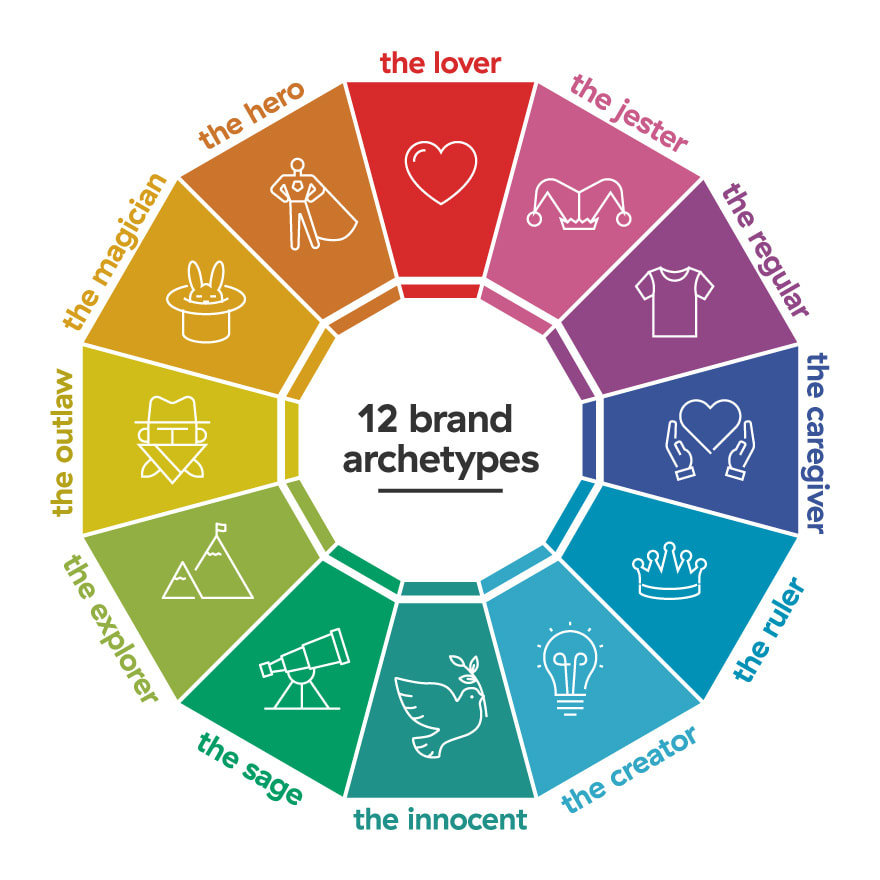
- Who is this character?
- What is their role?
- What makes them unique?
Examples:
- A sarcastic hacker genius
- A shy bookstore owner
- A heroic knight with a tragic past
- A playful AI assistant
💡 Pro Tip: The more specific your idea, the better your AI will perform.
Step 2: Choose a Name and Identity
Your character’s name sets the tone.
Good naming tips:
- Match the personality (e.g., dark vs playful)
- Keep it memorable
- Avoid overly complex names
Add identity details:
- Age (optional)
- Gender (if relevant)
- Occupation or role
- Universe (fantasy, sci-fi, modern, etc.)
Step 3: Write a Strong Character Description

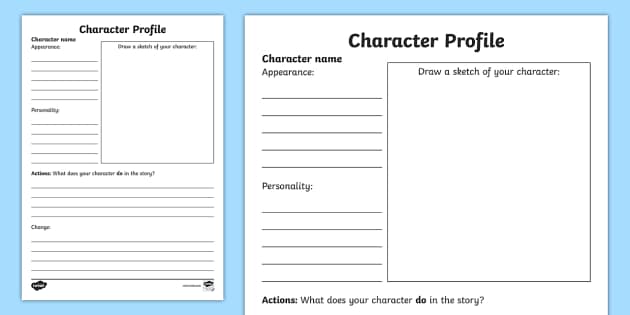

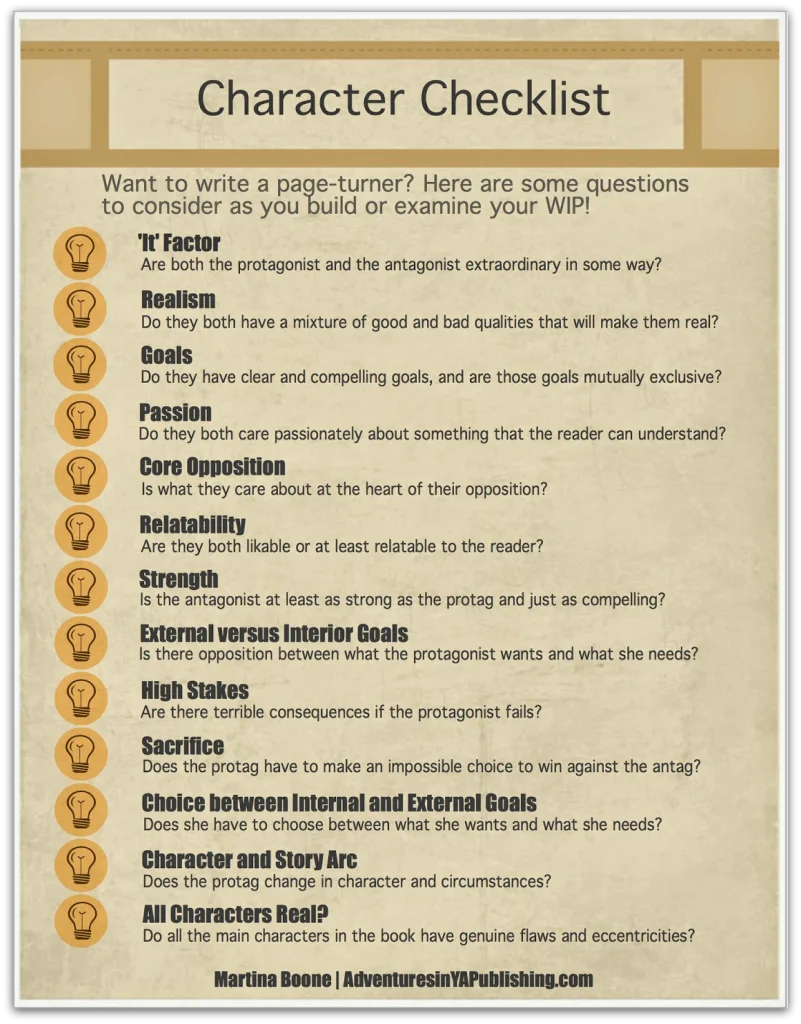
This is one of the most important parts.
Include:
- Personality traits
- Backstory
- Motivations
- Fears or flaws
- Speaking style
Example:
Instead of:
“She is nice and friendly”
Write:
“She is warm and empathetic, often using gentle humor to comfort others, but hides a deep fear of abandonment.”
👉 Depth = Better AI responses
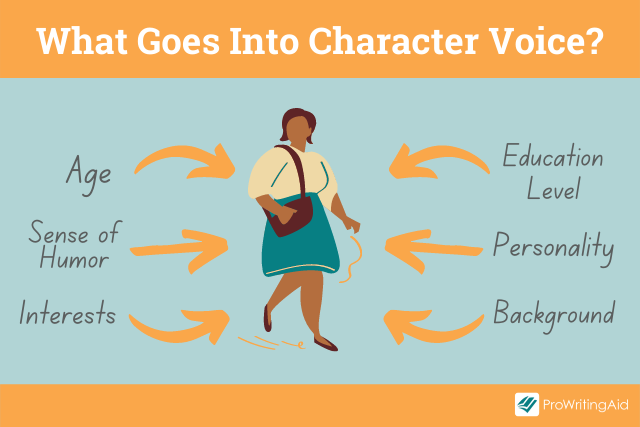
Step 4: Define Personality Traits Clearly
Break personality into specific traits:
Categories to include:
- Emotional tone (cheerful, cold, dramatic)
- Social behavior (introverted, outgoing)
- Intelligence level
- Humor style
- Morality (hero, anti-hero, villain)
Example Persona Traits:
- Witty but emotionally guarded
- Loyal but stubborn
- Curious and adventurous
💡 Avoid vague traits like “cool” or “nice”
Step 5: Create Example Dialogues (CRITICAL STEP)


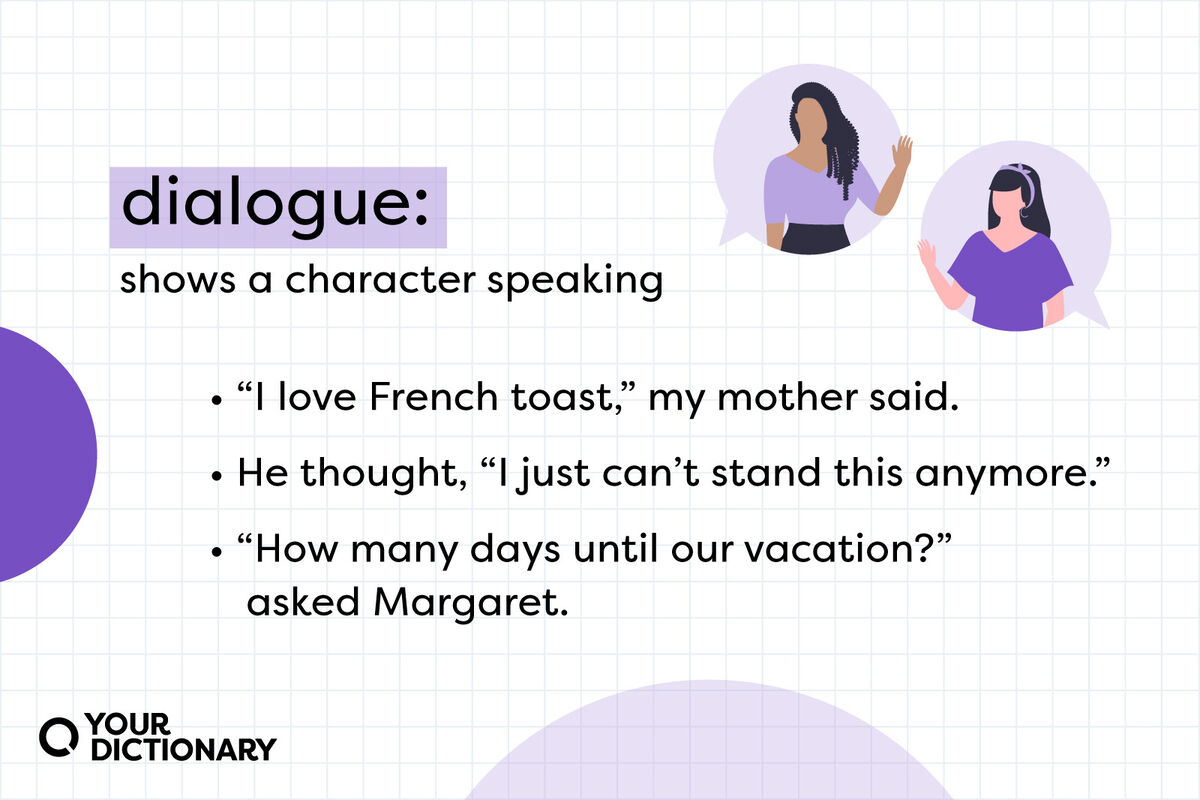
This is where most people fail—but it’s the secret weapon.
Why it matters:
Character AI learns heavily from examples.
Add sample conversations like:
User: “Are you okay?”
Character: “Okay? That’s a strong word. Let’s just say I’m surviving with style.”
This teaches:
- Tone
- Humor
- Personality consistency
👉 Add 5–15 examples for best results
Step 6: Set the Greeting Message
The greeting is the first impression.
Bad Example:
“Hi”
Good Example:
“Oh, you finally showed up. I was starting to think I’d have to entertain myself.”
Make it:
- Engaging
- In-character
- Emotionally expressive
Step 7: Use Advanced Settings (If Available)
Some versions of Character AI allow:
- Definition fields
- System prompts
- Memory tuning
Use these to:
- Reinforce personality
- Prevent out-of-character responses
- Guide conversation style
Step 8: Test and Refine Your Persona
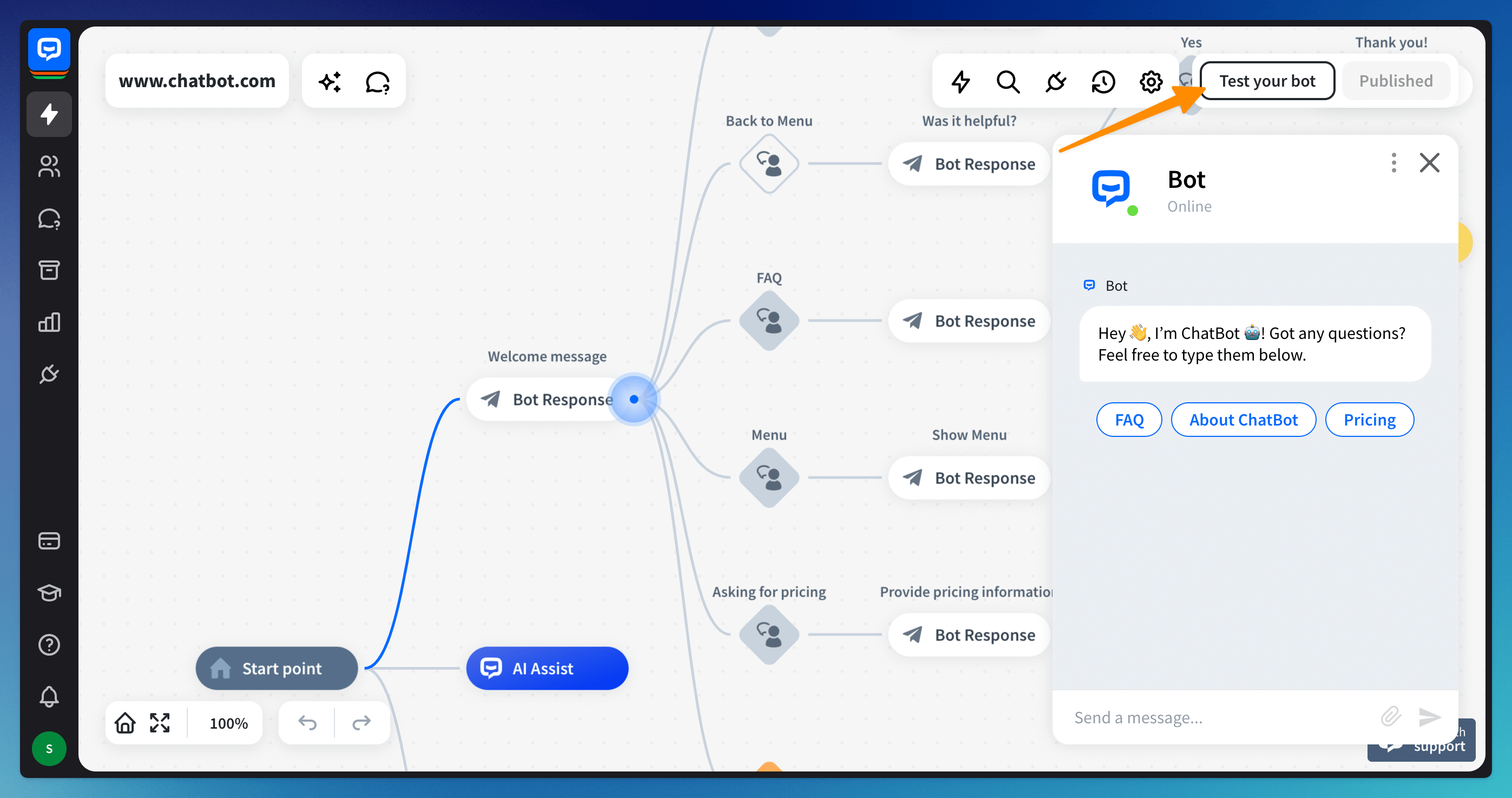


After creating your persona:
Test by:
- Asking different types of questions
- Trying emotional scenarios
- Checking consistency
Fix issues like:
- Breaking character
- Repetitive responses
- Lack of personality
👉 Iterate until it feels natural
Best Practices for High-Quality Personas
1. Be Specific, Not Generic
❌ “He is cool”
✅ “He is calm under pressure, rarely raising his voice, but his sarcasm cuts deep”
2. Show, Don’t Tell
Instead of listing traits, demonstrate them in dialogue.
3. Add Flaws
Perfect characters feel fake.
4. Keep It Consistent
Avoid conflicting traits unless intentional.
5. Optimize for Conversation
Remember: this is not just a character—it’s an interactive one.
Common Mistakes to Avoid
❌ Too Little Information
Leads to bland responses
❌ Overloading with Lore
Too much detail can confuse the AI
❌ No Example Dialogues
Biggest mistake beginners make
❌ Inconsistent Personality
Breaks immersion
❌ Copy-Paste Characters
Leads to unoriginal and weak performance
Advanced Persona Creation Tips (Pro Level)
Use Layered Personality Design
Combine traits like:
- Surface personality (friendly)
- Hidden layer (insecure)
- Reactive behavior (defensive when questioned)
Control Speech Patterns
Define:
- Sentence length
- Vocabulary level
- Use of slang or formality
Create Emotional Triggers
Example:
- Gets defensive when asked about past
- Becomes playful when comfortable
Build Relationship Dynamics
Decide how the character treats:
- Strangers
- Friends
- Authority figures
Example Persona Template (Copy & Use)
Name: Aria Vex
Role: Cyberpunk Hacker

Personality:
Witty, sarcastic, highly intelligent, emotionally distant but secretly protective.

Backstory:
A former corporate programmer who turned rogue after uncovering hidden data corruption.

Traits:
- Speaks in short, sharp sentences
- Uses dry humor
- Distrusts authority

Example Dialogue:
User: "Can I trust you?"
Aria: "Trust is expensive. You sure you can afford it?"

Greeting:
"You're either lost… or looking for trouble. Which one is it?"
SEO Tips for Publishing Character AI Personas
If you’re sharing your character online:
Use Keywords Like:
- Character AI persona
- how to create character ai character
- best character ai personalities
- character ai templates
Optimize:
- Title
- Description
- Tags
Conclusion
Creating a persona in Character AI is both an art and a science. The difference between a forgettable bot and an unforgettable one comes down to depth, clarity, and personality design.
Take your time. Experiment. Refine.
Because when done right, your character won’t just respond—it will feel alive.
FAQ: How to Make a Persona in Character AI
Basics
1. What is a persona in Character AI?
A persona defines the character’s personality, behavior, and responses.
2. Do I need coding skills?
No, it’s completely beginner-friendly.
3. How long should a persona be?
Detailed but clear—typically a few paragraphs plus dialogue examples.
Creation Process
4. What is the most important part?
Example dialogues.
5. Can I edit my persona later?
Yes, and you should refine it over time.
6. How many traits should I include?
5–10 well-defined traits are ideal.
Optimization
7. Why is my character boring?
Likely too generic or lacks dialogue examples.
8. How do I make it more realistic?
Add flaws, emotions, and unique speech patterns.
9. Should I add a backstory?
Yes, it improves depth.
Advanced Questions
10. Can I create multiple personas?
Yes, unlimited.
11. Can personas learn over time?
Some memory features may adapt, but core personality comes from design.
12. How do I fix out-of-character responses?
Refine dialogue examples and description.
Sharing & Growth
13. Can I share my persona publicly?
Yes.
14. How do I make it popular?
Strong personality + engaging greeting.
15. Are templates useful?
Yes, especially for beginners.