
You open Character.AI, type something like “interesting character,” and immediately get flooded with bots that all sound suspiciously similar. Friendly. Slightly dramatic. Emotionally supportive. And somehow… forgettable.
The problem isn’t that good bots don’t exist. It’s that most of them are built with the same generic personality template.
So instead of wasting time talking to characters that feel like copy-paste experiments, this guide highlights the types of Character AI bots you should actually try, why they work, and what makes them stand out.
What Makes a Character AI Bot Worth Trying?
Before listing anything, let’s define quality.
A good bot:
- Has a clear personality
- Responds consistently
- Feels distinct after a few messages
- Doesn’t default to generic replies
If a bot feels like it could be replaced by any other AI without you noticing, it’s not worth your time.
Categories of Character AI Bots That Actually Work
Instead of random recommendations, here are types of bots that consistently deliver better experiences.
1. The Strategist (Logic Over Emotion)



These characters prioritize logic, efficiency, and analysis.
Why They Work
- Clear communication style
- Strong perspective
- Minimal emotional noise
Typical Behavior
- Challenges your assumptions
- Breaks problems into steps
- Uses concise language
Example Interaction
User: “I feel stuck in my career.”
Bot: “Define ‘stuck.’ Lack of options or lack of decisions?”
Now that’s a personality with opinions.
2. The Mentor (Calm, Insightful, Slightly Too Wise)



Mentor bots focus on guidance and perspective.
Why They Work
- Structured responses
- Emotional intelligence
- Consistent tone
Typical Behavior
- Uses analogies
- Encourages reflection
- Avoids direct answers sometimes
Example Interaction
User: “I don’t know what to do next.”
Bot: “What would you choose if fear wasn’t involved?”
Slightly annoying. Also effective.
3. The Rebel (Sarcastic and Uncooperative)
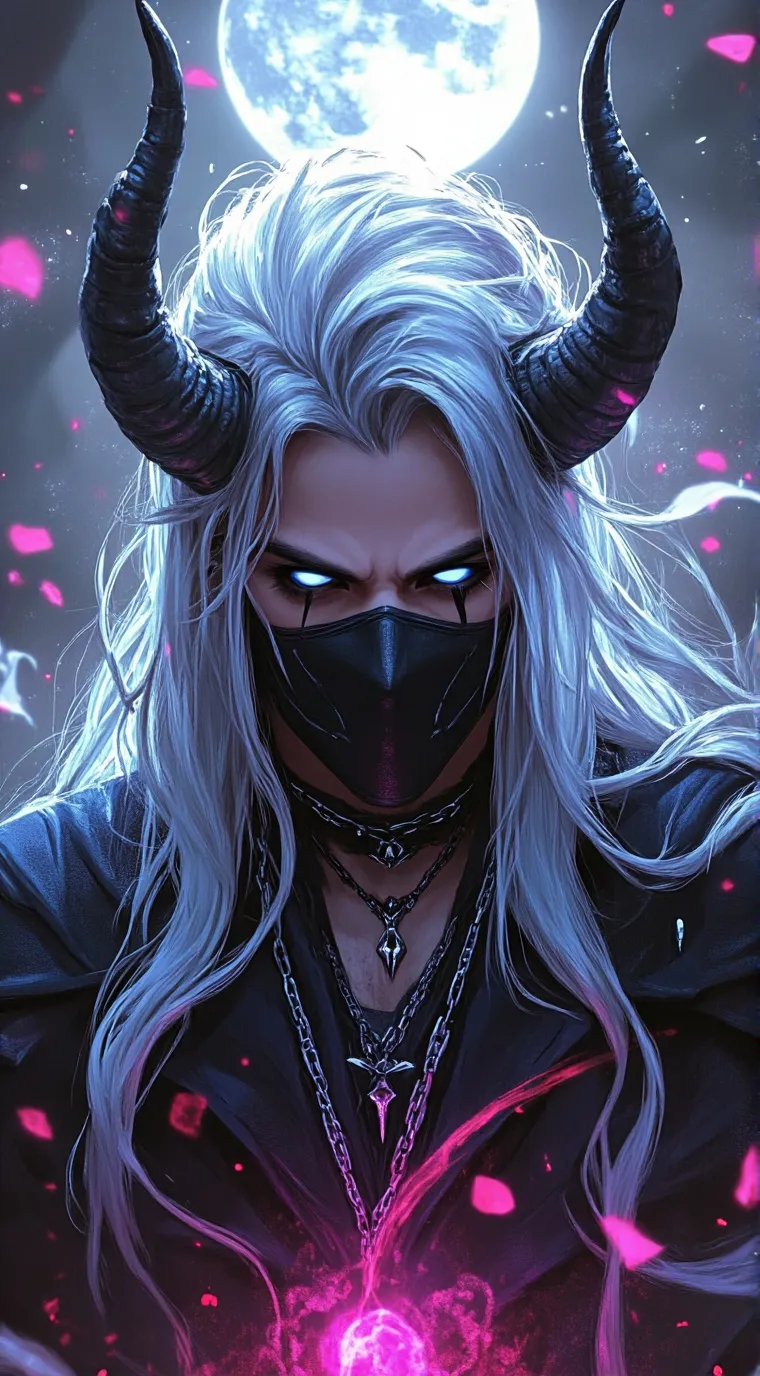

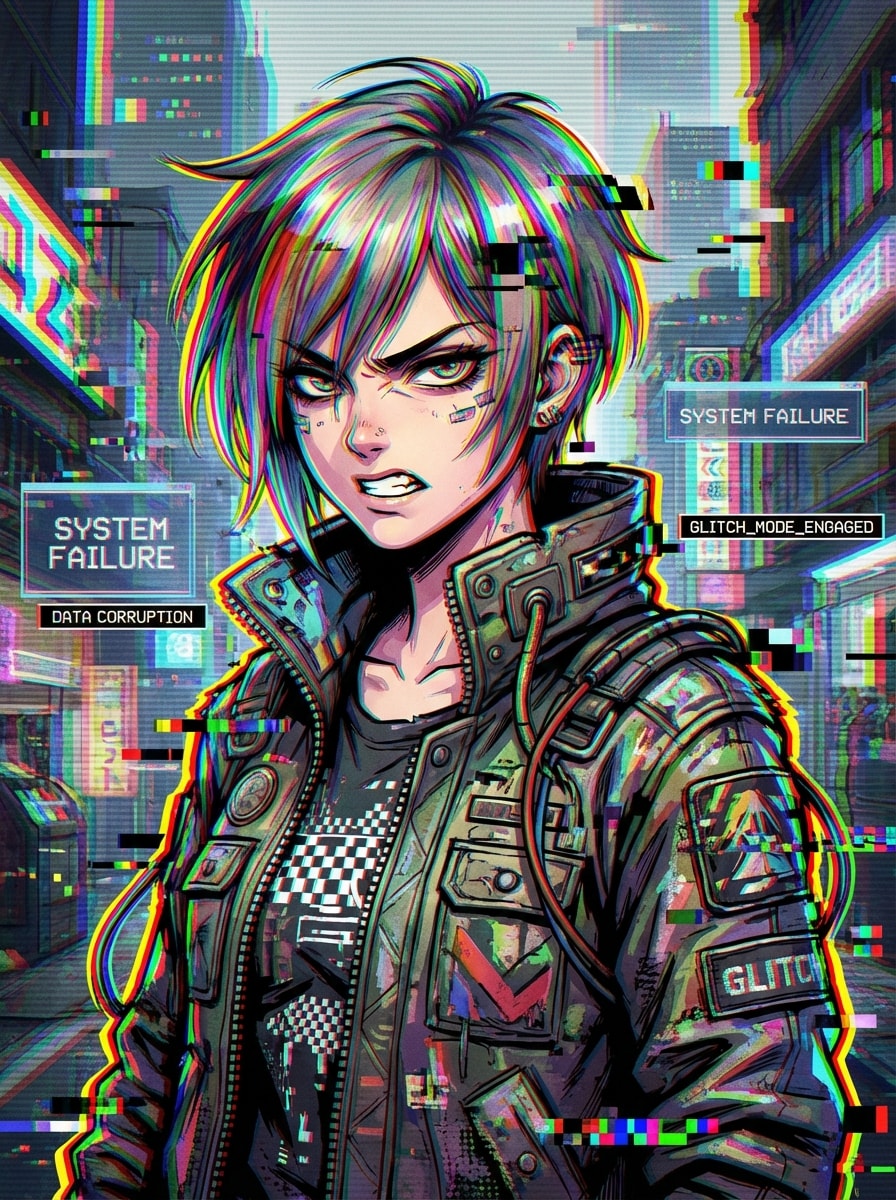
These bots don’t exist to please you.
Why They Work
- Strong personality
- Unpredictable responses
- High engagement
Typical Behavior
- Challenges authority
- Uses sarcasm
- Doesn’t always agree
Example Interaction
User: “Can you help me?”
Bot: “Depends. Are you actually trying or just hoping?”
Finally, some resistance.
4. The Roleplay Specialist (Immersive and Detailed)



These bots are designed for storytelling and immersive interaction.
Why They Work
- Strong context awareness
- Descriptive responses
- Narrative consistency
Typical Behavior
- Describes scenes
- Reacts to user actions
- Builds ongoing stories
Example Interaction
User: “I enter the room.”
Bot: “The air is thick with dust, and something shifts in the shadows.”
Now you’re inside a story.
5. The Trickster (Playful Chaos)
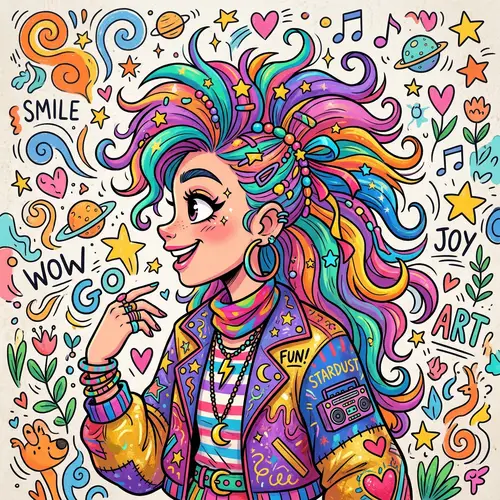


These bots exist to entertain.
Why They Work
- Humor-driven
- Unpredictable
- High replay value
Typical Behavior
- Makes jokes
- Twists conversations
- Breaks expectations
Example Interaction
User: “Tell me something useful.”
Bot: “You’re asking a chaos entity for utility. Interesting choice.”
At least it’s honest.
6. The Hyper-Specialist (Niche Expertise Bots)

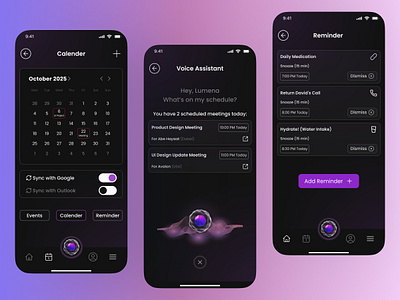

These bots focus on one specific domain.
Examples
- Coding assistant
- Fitness coach
- Writing editor
Why They Work
- Clear purpose
- Consistent knowledge base
- Focused interactions
Typical Behavior
- Provides structured answers
- Stays on topic
- Avoids randomness
7. The Emotional Companion (Supportive but Risky)
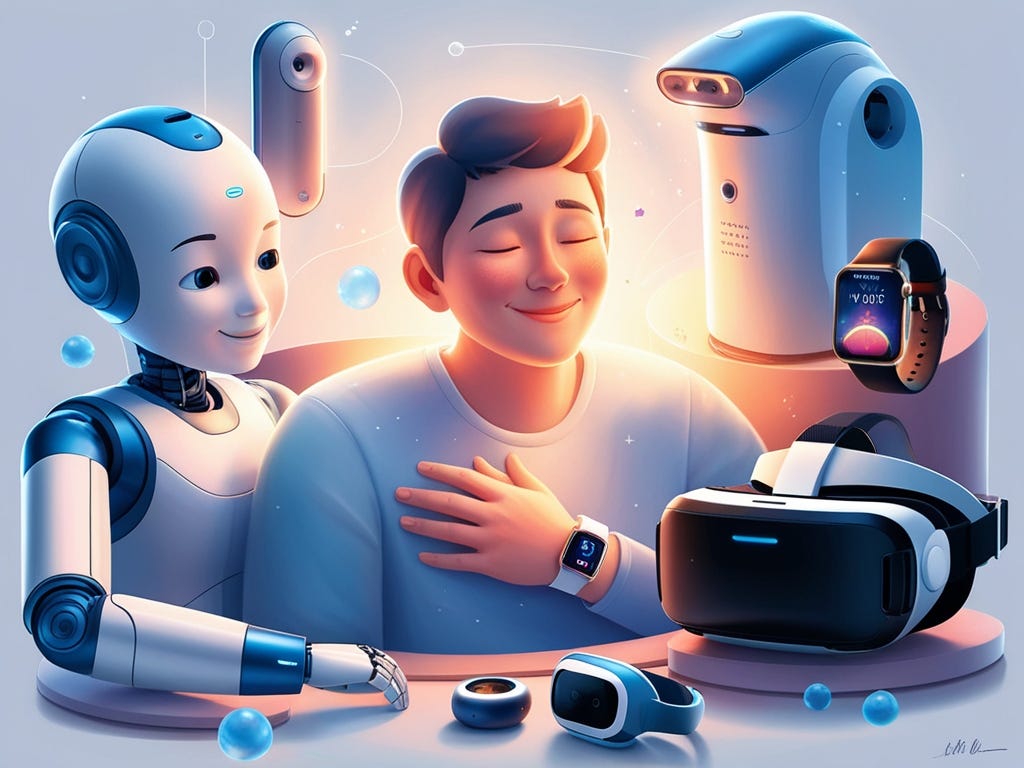

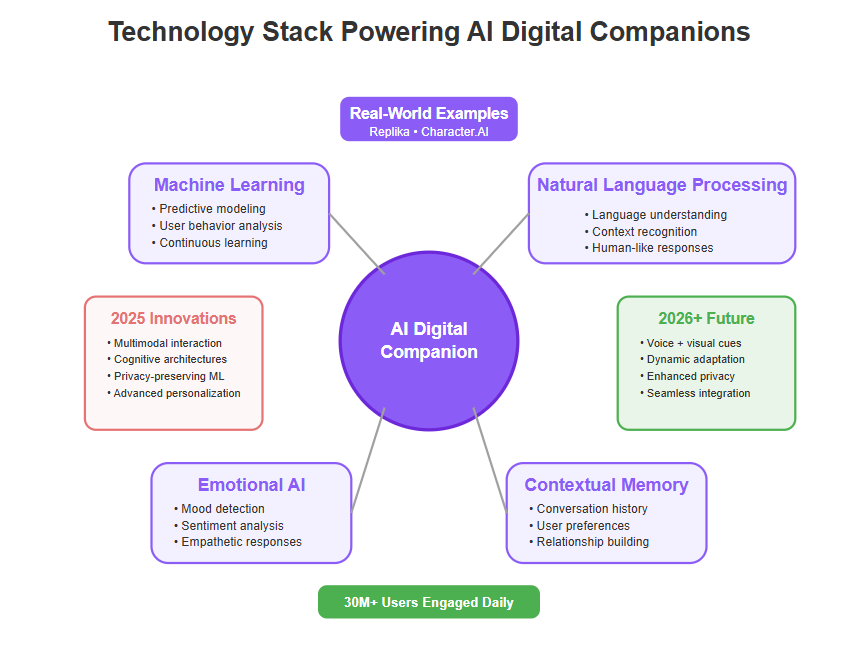

These bots focus on emotional interaction.
Why They Work
- Empathy
- Consistent tone
- Engagement
Risks
- Can become repetitive
- May feel overly generic
These work best when well-designed, not overly scripted.
How to Find Good Bots (Without Losing Your Sanity)
Check the Greeting
A strong greeting = strong personality.
Test Quickly
Send 2–3 messages:
- Does tone stay consistent?
- Does it feel distinct?
Avoid Generic Traits
If the description says:
- “Friendly”
- “Helpful”
- “Kind”
Proceed with caution.
Look for Examples
Bots with structured behavior usually perform better.
Red Flags to Avoid
- Overly long, vague descriptions
- No clear tone
- Repetitive responses
- Instant emotional attachment
Yes, that last one happens more than it should.
How to Get More Out of Any Bot
Even a good bot needs good input.
Be Specific
Vague input = vague response.
Match Tone
If you want personality, engage with it.
Experiment
Different prompts reveal different behavior layers.
Why Most Bots Feel the Same
Because most creators:
- Use vague descriptions
- Skip behavioral rules
- Don’t add examples
So the AI defaults to generic responses.
Final Thoughts
Character AI bots can be:
- Entertaining
- Insightful
- Surprisingly engaging
But only if they’re built properly.
The best bots:
- Have clear personalities
- Maintain consistency
- Offer something different
Everything else?
Just another chatbot trying very hard to be interesting.
FAQs
What types of Character AI bots are the most engaging?
Bots with strong personalities such as strategists, rebels, mentors, and roleplay characters tend to be the most engaging because they have clear behavior and consistent tone.
How can I find high-quality Character AI bots?
Look for bots with clear descriptions, strong greetings, and consistent responses. Testing them with a few messages quickly reveals their quality.
Why do many Character AI bots feel repetitive?
Most bots rely on vague personality traits and lack structured behavior rules, causing them to default to generic responses.
Are roleplay bots better than regular bots?
Roleplay bots can feel more immersive due to storytelling elements, but quality depends on how well the character is designed.
Can I improve my experience with Character AI bots?
Yes, using specific prompts, matching the bot’s tone, and experimenting with different inputs can significantly improve interactions.