
Roleplaying in Character AI is one of the most immersive and addictive experiences you can have online. Whether you want to step into a fantasy world, simulate a romantic storyline, or just have fun conversations with unique characters—roleplay is where Character AI truly shines.
But here’s the catch:
👉 Most beginners struggle because they don’t know how to guide the AI properly.
This guide will teach you everything—from basic roleplay techniques to advanced strategies—so your conversations feel natural, engaging, and truly alive.
What Is Roleplay in Character AI?
Roleplay (RP) in Character AI is a collaborative storytelling experience where you and the AI take on roles and interact within a shared scenario.
Example:
- You: A knight in a medieval kingdom
- AI: A royal advisor with hidden secrets
Together, you build a story through conversation.
Why Roleplay Feels So Real


Character AI uses advanced language models to:
- Simulate emotions
- Maintain personality
- Adapt to your input
That’s why roleplay can feel:
- Emotional
- Dynamic
- Surprisingly human
Getting Started with Roleplay (Step-by-Step)
Step 1: Choose the Right Character
Not all characters are good for roleplay.
Look for:
- Detailed descriptions
- Strong personality
- Good reviews or popularity
Avoid:
- Empty or vague characters
- Bots with no example dialogues
Step 2: Set the Scene Clearly



The biggest beginner mistake?
❌ Jumping straight into random conversation
Instead, start with context:
Example:
The rain pours heavily as I step into the dimly lit tavern, scanning the room before approaching you.
“You must be the one they warned me about.”
This gives the AI:
- Environment
- Mood
- Direction
Step 3: Use Action + Dialogue Format

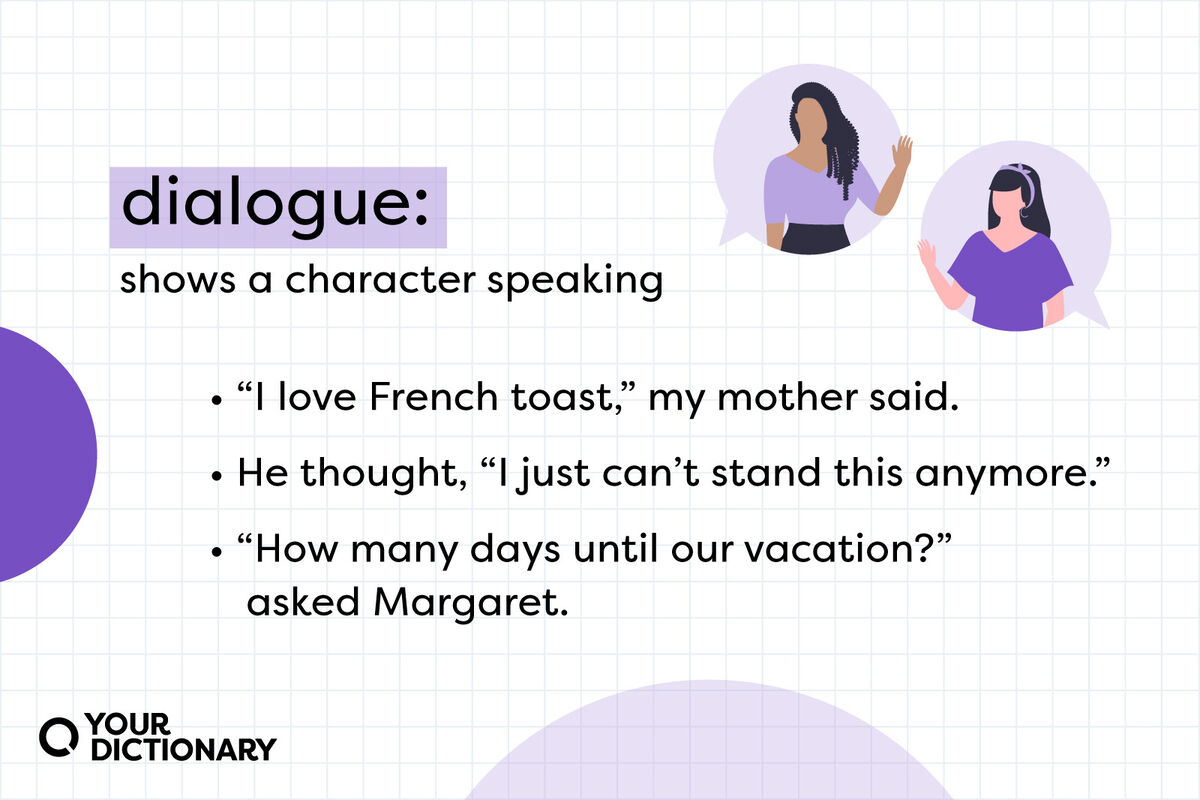
A proven structure:
Format:
- Actions in asterisks
- Dialogue in quotes
Example:
I cross my arms and lean against the wall
“You’re late. Again.”
This makes roleplay:
- Clear
- Cinematic
- Engaging
Step 4: Stay in Character
Consistency is everything.
DO:
- Stick to your role
- React realistically
- Follow the story
DON’T:
- Break immersion
- Talk out-of-character randomly
Step 5: Guide the AI (Without Controlling It)
Think of roleplay like a dance—not a script.
Good:
I hesitate before answering, clearly hiding something
“It’s… complicated.”
Bad:
“You now say you are scared and tell me everything.”
👉 Let the AI respond naturally.
Step 6: Add Emotion and Detail



Flat messages = boring roleplay.
Upgrade this:
“I’m fine.”
Into this:
I force a weak smile, avoiding your gaze
“Yeah… I’m fine.”
👉 Emotion creates immersion.
Step 7: Keep the Story Moving
Avoid:
- Repetition
- Stalling
- One-word replies
Always:
- Introduce new elements
- Ask questions
- Create tension
Best Roleplay Styles You Can Try
1. Fantasy Roleplay
- Knights, magic, dragons
- Epic storytelling
2. Romance Roleplay
- Emotional, relationship-driven
- Focus on dialogue and feelings
3. Slice of Life
- Casual, everyday interactions
- Relaxed pacing
4. Adventure / Action
- Fast-paced
- High stakes
5. Horror / Mystery
- Suspense and tension
- Plot-driven
Beginner Mistakes to Avoid
❌ Being Too Passive
Waiting for AI to carry everything
❌ Writing Too Little
Short replies = weak responses
❌ Controlling the AI
Breaks realism
❌ Ignoring Context
Leads to confusing interactions
❌ Breaking Character
Kills immersion instantly
Advanced Roleplay Techniques
1. Layered Responses
Combine:
- Action
- Emotion
- Dialogue
Example:
My grip tightens on the sword as I step closer, voice low and steady
“If you’re lying… this ends badly for you.”
2. Introduce Plot Twists
Keep things interesting:
- Secrets
- Betrayals
- Unexpected events
3. Use Memory Callbacks
Reference past events:
“Last time you said that… everything went wrong.”
👉 Makes story feel continuous
4. Build Relationships Over Time
Let interactions evolve:
- Stranger → Ally → Friend → Rival
5. Control Pacing
- Slow for emotional scenes
- Fast for action scenes
Roleplay Safety Tips
Even though it’s fun, stay mindful:
✔ Keep fiction separate from reality
✔ Avoid sharing personal info
✔ Take breaks
✔ Exit uncomfortable scenarios
Example Beginner Roleplay (Copy & Use)
*The wind howls outside as I knock on your door, clearly exhausted*

“Please… I need your help. They’re coming.”

*I glance over my shoulder nervously, gripping my coat tightly*
SEO Tips for Sharing Roleplays
If you’re publishing content:
Use keywords like:
- Character AI roleplay
- how to roleplay in character ai
- roleplay tips character ai
- beginner roleplay guide
Optimize:
- Title (clear + keyword-rich)
- Headings (H2, H3 structure)
- Internal linking
Conclusion
Roleplaying in Character AI isn’t just chatting—it’s storytelling, acting, and creativity combined into one experience.
The secret?
👉 You control the quality of the roleplay.
The more effort, emotion, and structure you put in, the more immersive your experience becomes.
Start simple. Practice consistently. And soon, your roleplays will feel like living inside a story.
FAQ: Character AI Roleplay Guide
Basics
1. What is roleplay in Character AI?
A storytelling interaction where you and the AI take on roles.
2. Do I need experience?
No, beginners can start easily.
3. Is roleplay free?
Yes, most features are free.
Techniques
4. What is the best format?
Action (text) + dialogue (“text”).
5. How do I make it realistic?
Add emotions and details.
6. Can I control the story?
Yes, but don’t control the AI’s responses.
Problems
7. Why is my roleplay boring?
Likely too short or lacks detail.
8. Why does the AI go off-track?
Weak prompts or unclear direction.
9. How do I fix bad responses?
Guide with better input.
Advanced
10. Can I create my own roleplay character?
Yes.
11. Can roleplay become long-term?
Yes, with consistent storytelling.
12. What’s the best roleplay style?
Depends on your preference.
Safety
13. Is roleplay safe?
Yes, if used responsibly.
14. Should I share personal info?
No.
15. Can I stop anytime?
Yes, always.