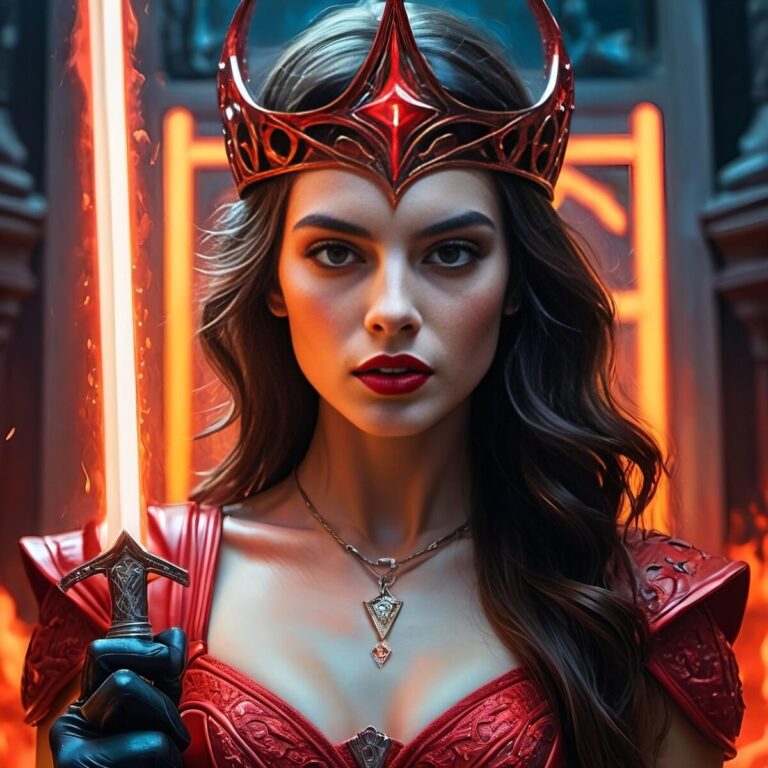
Artificial intelligence has evolved far beyond simple chatbots. Today, AI systems can simulate personalities, emotions, and conversations that feel surprisingly human.
These digital personalities are often called I Characters, short for Intelligent Characters.
I Characters are designed to interact with users in natural conversations while maintaining a consistent personality, backstory, and behavior.
From storytelling and gaming to virtual companions, I Characters are becoming a key part of modern AI experiences.
This guide explains what I Characters are, how they work, where they are used, and how anyone can create their own AI characters.
What Are I Characters?
I Characters are AI-powered digital personalities designed to interact with users through text or voice conversations.
Unlike traditional chatbots that simply answer questions, I Characters simulate human-like personalities and behaviors.
They can represent:
- fictional characters
- historical figures
- virtual companions
- game NPCs
- customer service agents
Each character has a defined identity that influences how it responds during conversations.
Meaning of Intelligent Characters
The term I Characters refers to characters powered by artificial intelligence that can simulate:
- personality traits
- emotions
- opinions
- conversational style
These elements make interactions feel more engaging than simple automated responses.
For example, an AI wizard character may speak in a mysterious tone, while a friendly AI assistant might communicate casually and politely.
Evolution of AI Characters
The concept of intelligent characters has evolved significantly over the past few decades.
Early Chatbots
The first chatbots could only respond to simple keyword-based inputs.
They lacked personality and could not maintain meaningful conversations.
Rule-Based AI Characters
Later systems introduced predefined personality scripts.
While more structured, these characters still had limited flexibility.
Modern AI Characters
Today’s I Characters use large language models and machine learning to generate dynamic responses.
This allows them to maintain conversations that feel natural and context-aware.
Organizations like OpenAI and research groups worldwide continue improving conversational AI technology.
More information about AI research can be found at:
https://openai.com/research
How I Characters Work
To understand how I Characters function, it helps to examine the technology behind them.
Large Language Models
Most I Characters rely on large language models (LLMs).
These models are trained on vast amounts of text data and learn patterns in human language.
When a user sends a message, the AI model analyzes the input and generates a response based on learned language patterns.
This enables the AI to produce realistic and coherent replies.
Personality Prompts
One of the most important elements of an AI character is the personality prompt.
This prompt defines the character’s identity.
A personality prompt may include:
- character name
- personality traits
- speaking style
- background story
- goals and motivations
The AI uses this information to stay consistent during conversations.
Memory and Context
Modern AI characters can remember parts of previous conversations.
This ability helps maintain context and continuity.
For example, the AI might remember:
- a user’s name
- previous topics discussed
- story events in roleplay scenarios
Memory systems make AI conversations feel more natural.
Key Features of I Characters
I Characters offer several advanced capabilities.
Personality Simulation
One of the most impressive features is personality simulation.
AI characters can display:
- humor
- curiosity
- empathy
- confidence
These behaviors are generated through prompt design and language models.
Interactive Conversations
I Characters are designed for real-time interaction.
Users can ask questions, roleplay scenarios, or have casual conversations.
Unlike static chatbots, AI characters adapt responses based on conversation flow.
Customization
Many platforms allow users to create custom characters.
Users can define:
- personality traits
- appearance
- dialogue tone
- story setting
This flexibility allows creators to design unique digital personalities.
Types of I Characters
AI characters can serve many different purposes.
AI Roleplay Characters
These characters are designed for interactive storytelling.
Users can create fantasy heroes, villains, or historical figures and engage in roleplay scenarios.
Roleplay AI characters are popular in writing communities and gaming platforms.
AI Companion Characters
Some AI characters act as virtual companions.
They are designed to chat casually, provide emotional support, or simply entertain users.
These characters often emphasize friendliness and empathy.
AI NPC Characters
Game developers use AI characters as non-player characters (NPCs).
These characters interact with players inside video games.
AI-powered NPCs can:
- provide quests
- share story information
- react to player choices
This makes game worlds feel more immersive.
How to Create I Characters
Creating an AI character is easier than many people think.
Character Design
Start by defining the character’s identity.
Important elements include:
- name
- personality traits
- goals
- background story
The more detailed the description, the more realistic the character becomes.
Dialogue Training
Next, write instructions that guide how the character should speak.
Examples include:
- tone of voice
- vocabulary style
- typical responses
These instructions help the AI stay in character.
Testing Conversations
After creating the character, users can test conversations.
Testing helps identify areas where the character’s behavior may need adjustments.
Over time, characters can be refined to improve realism.
Popular Platforms for I Characters
Several platforms allow users to interact with or create AI characters.
These platforms include:
- AI roleplay chat platforms
- AI storytelling tools
- character generator platforms
- virtual companion apps
Many of these platforms use similar AI technology but focus on different use cases.
Benefits of Using I Characters
AI characters provide many advantages.
Key benefits include:
- creative storytelling support
- interactive entertainment
- educational simulations
- game development tools
- conversational AI experiences
For writers and developers, AI characters provide a powerful way to experiment with ideas.
Limitations of AI Characters
Despite their capabilities, AI characters also have limitations.
These include:
- occasional inaccurate responses
- limited long-term memory
- dependency on prompt quality
- potential misuse of AI systems
Developers continue improving AI models to address these challenges.
Future of I Characters
The future of AI characters looks extremely promising.
Upcoming developments may include:
- voice-based AI characters
- animated avatars
- persistent character memory
- real-time emotional recognition
These advancements could transform AI characters into fully interactive digital personalities.
Frequently Asked Questions
1. What are I Characters?
I Characters are intelligent AI-powered personalities designed to interact with users through conversations.
2. How do AI characters work?
They use large language models and personality prompts to generate responses that match a defined character identity.
3. Where are AI characters used?
AI characters are used in storytelling, gaming, virtual companion apps, and educational tools.
4. Can users create their own AI characters?
Yes. Many platforms allow users to design custom AI personalities.
5. Are AI characters realistic?
Modern AI characters can simulate realistic conversations, although they still have limitations.
6. Will AI characters replace human interactions?
AI characters are designed to complement human interaction rather than replace it.
Conclusion
I Characters represent an exciting development in artificial intelligence.
By combining personality simulation, advanced language models, and interactive conversation systems, AI characters provide new possibilities for storytelling, gaming, and digital companionship.
As technology continues to improve, I Characters will likely become even more sophisticated, allowing users to interact with AI personalities that feel increasingly realistic.