

Character AI
What is Character AI and Why It Matters
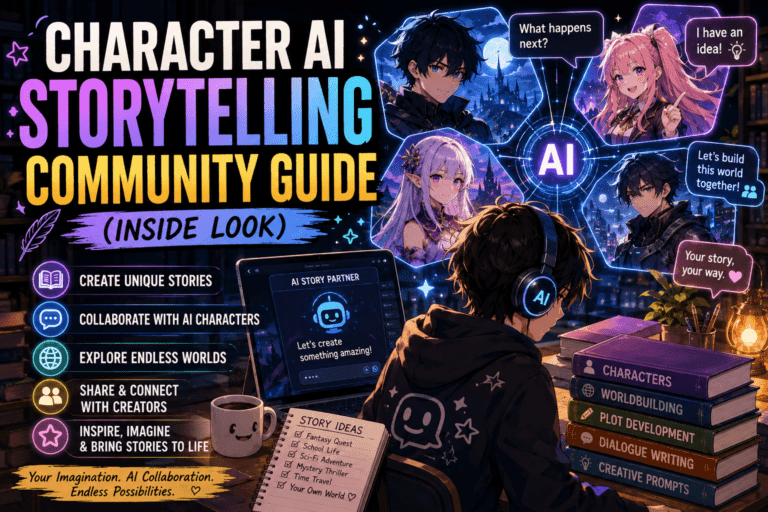
Character AI is transforming how humans interact with machines. Instead of plain responses, AI now simulates personalities, emotions, and dynamic conversations. These systems can act like fictional characters, assistants, teachers, or even companions.
The importance of Character AI lies in its ability to make interactions feel human-like. Whether it’s for entertainment, education, or business, realistic AI personalities create deeper engagement and better user experiences.
The Rise of AI-Driven Personalities
Over the past few years, AI has evolved rapidly. Early chatbots were robotic and limited. Today, Character AI can mimic tone, humor, empathy, and even storytelling.
This shift has opened doors for:
- Interactive storytelling
- Virtual assistants with personality
- AI companions
- Gamified learning environments
Understanding Character AI Fundamentals
Core Components of Character AI
Personality Modeling
This defines how the AI behaves. Is it friendly? Sarcastic? Professional? Every response is shaped by these traits.
Dialogue Systems
These systems manage how conversations flow. They ensure responses are logical, relevant, and engaging.
How AI Learns Behavior Patterns
Character AI uses data, prompts, and feedback loops to refine behavior. Over time, it becomes better at predicting what kind of response fits a situation.
Importance of Strategy in Character AI
Why Random Usage Fails
Using Character AI without a strategy often leads to:
- Inconsistent responses
- Lack of personality
- Confusing interactions
Without direction, even advanced AI can feel dull or inaccurate.
Benefits of Structured Approaches
A strategic approach ensures:
- Consistency
- Better engagement
- More realistic personalities
- Improved outcomes
Character AI Expert Strategies That Work
Strategy 1: Define Clear Character Traits
Start by outlining your character:
- Age, background, and role
- Personality traits
- Speaking style
Building Personality Depth
Add layers like:
- Strengths and weaknesses
- Beliefs and motivations
- Emotional triggers
This makes the AI feel real.
Strategy 2: Use Context-Rich Prompts
Instead of simple prompts, provide detailed context.
Example:
Bad → “Talk like a teacher.”
Better → “You are a friendly high school teacher explaining science concepts in simple language.”
Creating Realistic Interactions
Include:
- Situation
- Tone
- Audience
Strategy 3: Maintain Consistent Tone
Consistency is key. If your AI is humorous, it should stay humorous unless context changes.
Tips:
- Reinforce tone in prompts
- Avoid conflicting instructions
Strategy 4: Leverage Memory Features
Memory allows AI to remember:
- User preferences
- Past conversations
- Character traits
This creates continuity and realism.
Strategy 5: Train with Iterative Feedback
Refine your AI through testing:
- Run conversations
- Identify weak responses
- Adjust prompts
- Repeat
Over time, performance improves significantly.
Strategy 6: Build Emotional Intelligence
Great Character AI understands emotions.
Ways to improve:
- Use empathetic language
- Recognize user sentiment
- Respond appropriately
Advanced Optimization Techniques
Strategy 7: Role-Based Prompt Engineering
Assign clear roles:
- Mentor
- Friend
- Expert
- Storyteller
This sharpens responses and reduces confusion.
Strategy 8: Scenario Simulation
Test AI in different situations:
- Conflict resolution
- Teaching scenarios
- Story-driven interactions
This strengthens adaptability.
Strategy 9: Multi-Character Interaction
Create multiple AI characters that interact with each other. This is powerful for:
- Storytelling
- Gaming
- Simulations
Enhancing User Engagement
Strategy 10: Personalization Techniques
Tailor responses based on:
- User behavior
- Preferences
- Interaction history
Strategy 11: Dynamic Conversation Flow
Avoid rigid responses. Let conversations evolve naturally.
Tips:
- Ask follow-up questions
- Add variability
- Use natural transitions
Strategy 12: Storytelling Integration
Humans love stories. Use narrative elements to:
- Increase engagement
- Add depth
- Improve retention
Avoiding Common Mistakes
Overloading Prompts
Too much detail can confuse the AI. Keep prompts structured and clear.
Ignoring Context
Always consider previous conversation history.
Lack of Testing
Skipping testing leads to poor performance.
Tools and Platforms for Character AI
Popular Character AI Platforms
Some widely used tools include:
- Character-based chat platforms
- AI development frameworks
- Custom chatbot builders
For more insights, visit this helpful resource:
👉 OpenAI Official Site
Choosing the Right Tool
Consider:
- Ease of use
- Customization options
- Scalability
Real-World Applications
Gaming
AI characters enhance immersion and storytelling.
Education
AI tutors provide personalized learning experiences.
Customer Support
AI agents handle queries efficiently while maintaining a human tone.
Future of Character AI
Emerging Trends
- More realistic personalities
- Improved emotional intelligence
- Integration with virtual reality
Ethical Considerations
Important concerns include:
- Data privacy
- Bias in AI
- Transparency
FAQs
1. What are Character AI Expert Strategies That Work?
They are proven techniques used to improve AI personality, consistency, and engagement.
2. How can I improve my Character AI quickly?
Use clear prompts, consistent tone, and iterative testing.
3. Why is personality important in Character AI?
It makes interactions feel human and engaging.
4. Can Character AI remember past conversations?
Yes, if memory features are enabled.
5. What industries use Character AI?
Gaming, education, healthcare, and customer service.
6. Is Character AI difficult to learn?
No, with the right strategies, it becomes easy and effective.
Conclusion
Character AI is no longer just a novelty—it’s a powerful tool shaping the future of interaction. By applying Character AI Expert Strategies That Work, you can create engaging, realistic, and highly effective AI personalities.
From defining clear traits to leveraging advanced techniques like scenario simulation and personalization, each strategy plays a crucial role. The key is consistency, testing, and continuous improvement.
As technology evolves, those who master these strategies will stay ahead of the curve.